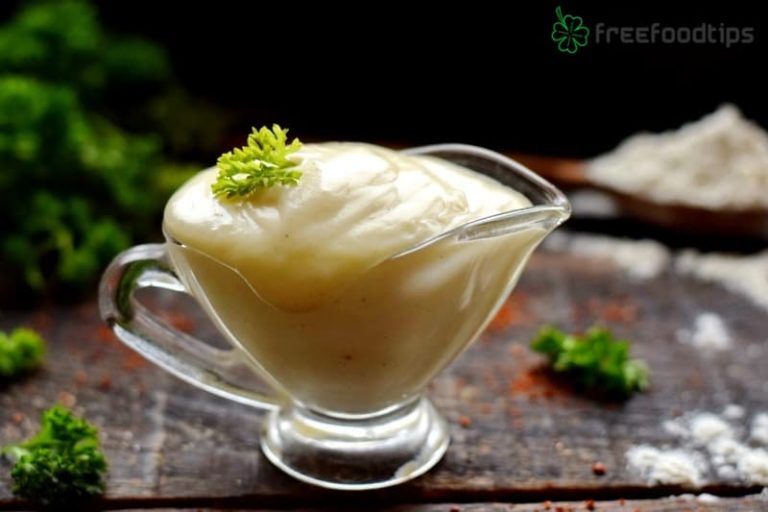
Experience the irresistible appeal of comfort food with our guide to achieving the perfect mashed potatoes—a velvety blend of flavors enriched by the delightful combination of milk and butter. Mashed potatoes have always held a special place in hearty meals, providing a creamy base that complements a variety of dishes.

Mashed potatoes are a simple yet versatile dish that makes an excellent accompaniment to nearly any main course, including meat and fish. I’d like to share my favorite recipe for mashed potatoes with you. Following this recipe will yield a smooth, tender mash with a creamy and delicious flavor.
Mashed boiled potatoes on their own can’t be considered a complete dish. It’s only when you add ingredients like milk, cream, butter, sour cream, and eggs, along with seasoning and herbs, that you create a delicious side dish you can customize to your taste by experimenting with different additions. After trying countless variations of mashed potatoes, I’ve concluded that I prefer a basic recipe. Now, I’d like to share that recipe with you.

Join us as we explore the nuances of selecting the right potatoes, mastering the mashing technique, and infusing the velvety mixture with the perfect balance of milk and butter. Whether you’re planning a cozy family dinner, a festive holiday feast, or simply craving a soul-satisfying dish, our Mashed Potatoes recipe promises to elevate your culinary endeavors to new heights.
Mashed Potatoes Ingredients:

- 1 kg russet potatoes;
- 50 g unsalted butter;
- about 250 ml milk;
- salt to your taste.
How to make mashed potatoes at home:
- Peel potatoes, and rinse them under running water. I cut potatoes into medium-sized cubes and rinse them once again.

- Transfer potato cubes into a big deep pot. Cover potatoes with cold water in such a way that it will be 2 cm above the potatoes. Season with salt (for the amount of potatoes we have, you will need around 1 tsp. of salt). Place potatoes on high heat, cover the pot with a lid, and bring it to a boil. Get rid of all the foam, lower the heat, and slightly open the lid.

- Cook potatoes for about 20 minutes in gently boiling water. Of course, time depends on the type of potatoes and the size of the cubes. You always can check doneness with a fork or a knife. The potato should be fully cooked through and the cubes should fall apart easily. It is better to overcook than undercook potatoes, as there is a possibility that there still be combs after mashing it.

- When the potatoes are cooked, drain all the water out of the pot. Thoroughly mash potatoes with a hand potato masher while it is still warm before adding any other ingredients.

- Warm up milk beforehand on the stove or in a microwave and pour it into the pot with mashed potato, mix it with potatoes. The amount of milk to add you decide yourself depending on the desired consistency.

- As the end step, you add butter, let it sit for a minute to get soft, and then start stirring it in with a masher until it fully dissolves.

- Our delicious creamy mash is ready!

How many potatoes to use for mashed potatoes per person? There are several ways to determine how much mashed potatoes you need. If you have the chance to weigh raw potatoes, a good guideline is to allocate 230-250 grams of raw potatoes per person. Alternatively, you can estimate that two medium-sized potatoes will serve one portion.
How long do you boil potatoes for mashed potatoes? Boiling time for potatoes varies depending on the variety and the size of the cubes. Generally, you should boil potatoes for about 20 minutes to ensure they are thoroughly cooked for mashed potatoes. The water should be at a gentle simmer, and it’s best not to completely cover the pot with a lid.
How long can you store mashed potatoes in the fridge? Mashed potatoes can be stored in the fridge for a maximum of three days. While you do have the option to freeze them, if you have plenty of potatoes available at the store and only 20 minutes to make the mash, I would prefer to prepare them fresh.
Can you add milk to mashed potatoes? Milk is an essential ingredient in my recipe. When you add milk to the mash, the texture becomes fluffier and more tender. My tip is to pour slightly warmed milk into the pot.
Can you add cream (or sour cream) to mashed potatoes? You can substitute cream for milk in the recipe. However, keep in mind that this will add more calories and will definitely change the taste.
Why do you add eggs to mashed potatoes? There is a variation of the mashed potato recipe that includes adding a raw egg. After mashing the potatoes, you simply stir in the raw egg until it is fully incorporated into the mixture. This will give the mashed potatoes a slightly yellow hue and will also change the flavor.
Why do I get lumps in my mashed potatoes? Potatoes can become lumpy if you don’t follow these steps: After boiling the potatoes, make sure to drain all the water from the pot. Then, thoroughly mash the potatoes using a potato masher. Only after mashing should you add other ingredients. By following these steps, you can avoid lumps in your mashed potatoes.
How do I fix runny mashed potatoes? There are three main methods to thicken mashed potatoes:
- Evaporate Excess Fluid: Place the pot of mashed potatoes on low heat and cook for several minutes, stirring constantly, to allow any excess moisture to evaporate.
- Add a Raw Egg: Incorporating one raw egg into the mashed potatoes can enhance their thickness.
- Let Them Cool: Allowing the mashed potatoes to cool will also help them thicken.
By using these techniques, you can achieve a creamier and more textured consistency in your mashed potatoes.
Why do mashed potatoes become gluey? When choosing potatoes for mashing, opt for a variety that will yield the best results. Russet potatoes are highly recommended, along with Dutch yellow, Sebago, and Spunta varieties. It’s best to avoid using white and pink potatoes for this recipe. Ultimately, personal taste may vary, so feel free to experiment. Additionally, I suggest using a potato masher rather than a blender for the best texture.
What main dishes can you serve with mashed potatoes? I have many options for you to choose from. If you would like to try them, simply follow the links:
- Baked Pork Ribs with Honey Soy Sauce Marinade
- Creamy Chicken with Mushrooms
- Turkey Vegetable Skillet
- Balsamic Marinated Turkey Medallions
- Braised Pork with Onion
- Whole Baked Mackerel with Lemon and Rosemary
- Chicken Fritters
- Chicken Livers with Onion and Carrot
- Baked Catfish Steak with Vegetables
- Marinated Silver Carp
I believe everyone should know how to make mashed potatoes. This dish is not only easy to prepare but also nutritious and delicious. Additionally, thanks to the various recipe options available, you can easily tailor it to suit your dietary preferences. If you have a different favorite mashed potato recipe, please share it with everyone!

Mashed Potatoes with Milk and Butter Recipe
Ingredients
- 1 kg russet potatoes;
- 50 g unsalted butter;
- about 250 ml milk;
- salt to your taste.
Instructions
- Peel potatoes, and rinse them under running water. I cut potatoes into medium-sized cubes and rinse them once again.
- Transfer potato cubes into a big deep pot. Cover potatoes with cold water in such a way that it will be 2 cm above the potatoes. Season with salt (for the amount of potatoes we have, you will need around 1 tsp. of salt). Place potatoes on high heat, cover the pot with a lid, and bring it to a boil. Get rid of all the foam, lower the heat, and slightly open the lid.
- Cook potatoes for about 20 minutes in gently boiling water. Of course, time depends on the type of potatoes and the size of the cubes. You always can check doneness with a fork or a knife. The potato should be fully cooked through and the cubes should fall apart easily. It is better to overcook than undercook potatoes, as there is a possibility that there still be combs after mashing it.
- When the potato is cooked, drain all the water out of the pot. Thoroughly mash potatoes with a hand potato masher while it is still warm before adding any other ingredients.
- Warm up milk beforehand on the stove or in a microwave and pour it into the pot with mashed potato, mix it with potatoes. The amount of milk to add you decide yourself depending on the desired consistency.
- As the end step, you add butter, let it sit for a minute to get soft, and then start stirring it in with a masher until it fully dissolves. And our delicious creamy mash is ready!
Notes
These mashed potatoes are more than a side; they are a symphony of textures and flavors that evoke a sense of nostalgia, warmth, and sheer culinary delight.
The simplicity of combining humble ingredients like potatoes, milk, and butter belies the remarkable transformation that occurs in each spoonful. Whether served alongside a hearty roast, at the center of a festive gathering, or as a comforting solo indulgence, these mashed potatoes have the power to elevate any meal to a realm of creamy bliss.
If you’re on Pinterest, please pin this recipe and share it with your friends and family!
As you prepare this classic recipe in your kitchen, we hope it inspires your culinary creativity and allows you to incorporate your family traditions and personal tastes. May your kitchen be filled with the comforting aroma of nostalgia and the joy that comes from mastering timeless comfort food.

Julia Miller is the founder of FreeFoodTips. Julia loves to travel and test new recipes. Here you will find recipes that are simple, delicious and perfect for everyday meals. FreeFoodTips is also packed with cooking tips and tricks.